
Two quotes landed on your desk today. One supplier promises “food-grade baking paper” at a price that looks too good to be true. The other sends coating weight specifications, FDA and EU declarations, and a sample run request. The second supplier is not overcomplicating things; they are giving you the data you need to avoid a production failure. Choosing a baking paper manufacturer is not a price comparison. It is an evaluation of process control, compliance, and consistency.
What Actually Makes a Baking Paper Manufacturer Trustworthy
Baking paper is not just paper with a printed label. A reliable manufacturer starts with a quality base paper and then applies a silicone or release coating in a controlled environment. The coating must be even across the web, reach an adequate weight per square meter, and cure properly so the paper can withstand oven heat without sticking. If any of these steps are inconsistent, you will see it in your baking results: burnt edges, sticking, or off-flavors.
The science behind nonstick pan liners explains why coating weight matters. A sheet with too little silicone will tear when you lift a cookie; too much can leave an unwanted residue or smell on the food. A good manufacturer measures and records the coat weight on every production batch, not just on the sample roll.
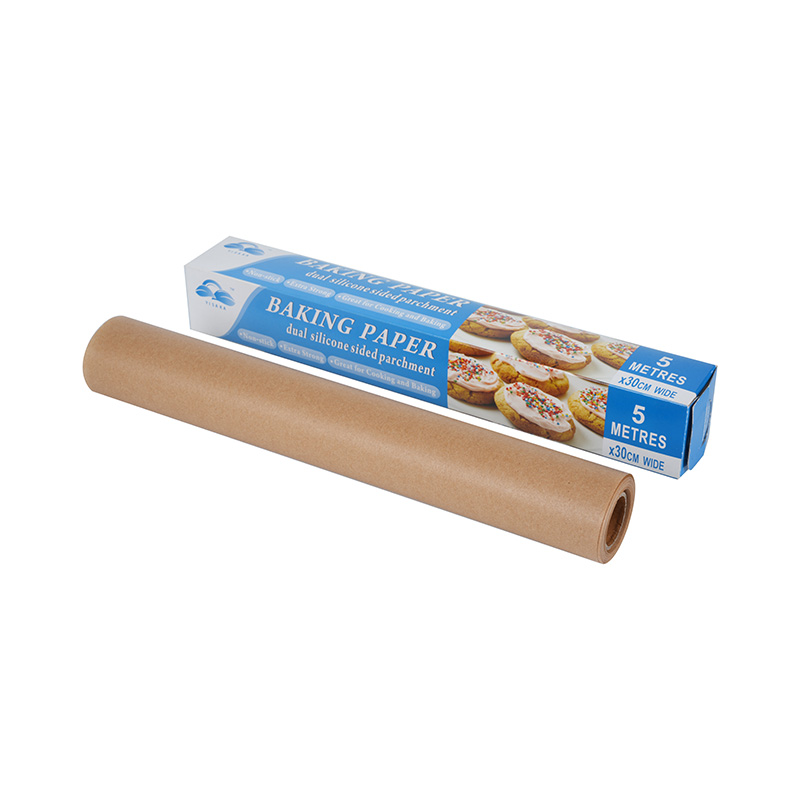
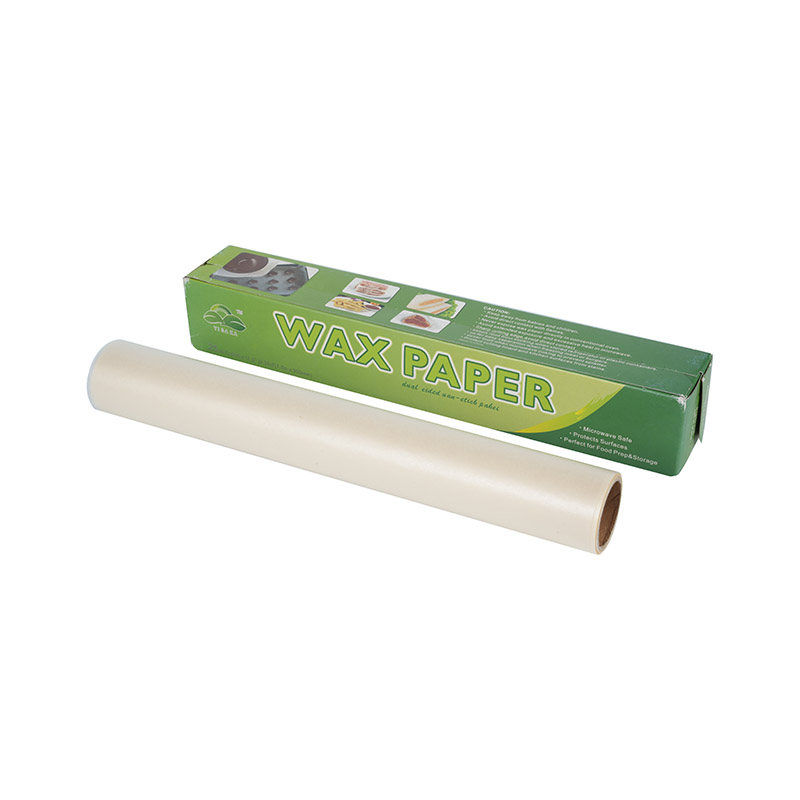
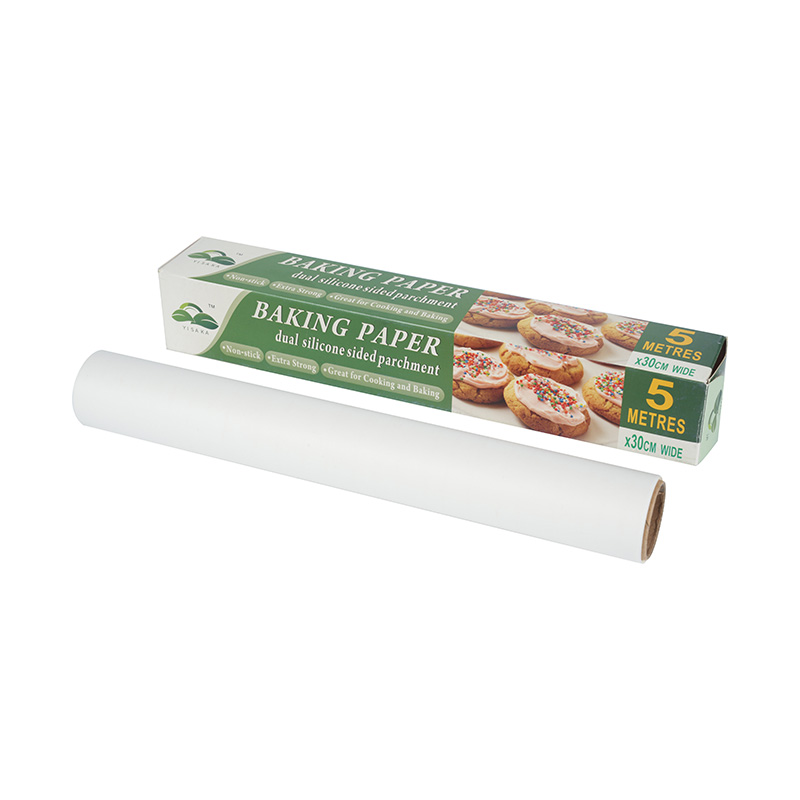 Double-Sided Silicone Coated Parchment Baking Paper Rolls This dual-coated parchment roll ensures non-stick performance on both sides, with consistent coating weight monitored during production for reliable baking results and easy cleanup. View Product →
 Once the coating is applied, the paper is cured and then cut to the customer’s required format. Large facilities do this in-house using dedicated silicone coating lines, slitting machines, cutters, and rewinders. When a supplier can handle the whole process internally, they have better control over lead time and consistency.
Four Criteria for Comparing Baking Paper Suppliers
When you are shortlisting suppliers, ask each one to provide data for the following four areas. The answers will quickly reveal who is prepared for your market and who is simply reselling commodity paper.
1. Certifications and Food-Safety Compliance
European and U.S. buyers often require FDA compliance, EU food contact regulation, and sometimes FSC certification for sustainable sourcing. Kosher certification is also requested by certain markets. A transparent manufacturer will provide these certificates without you having to ask twice. For export-oriented businesses, checking the latest certificate date and testing report is a practical first step.
2. Coating Quality and Heat Resistance
Coating quality can be measured. Ask the supplier about the silicone coating weight (g/m²) and the temperature rating. For typical oven use, baking paper should be heat resistant to at least 230°C / 450°F. If a supplier cannot state a temperature range or only gives a vague claim like “heat resistant,” that is a red flag. Test the paper in your own oven as well; it usually takes less than an hour to experience the difference.
3. Customization and Private Label
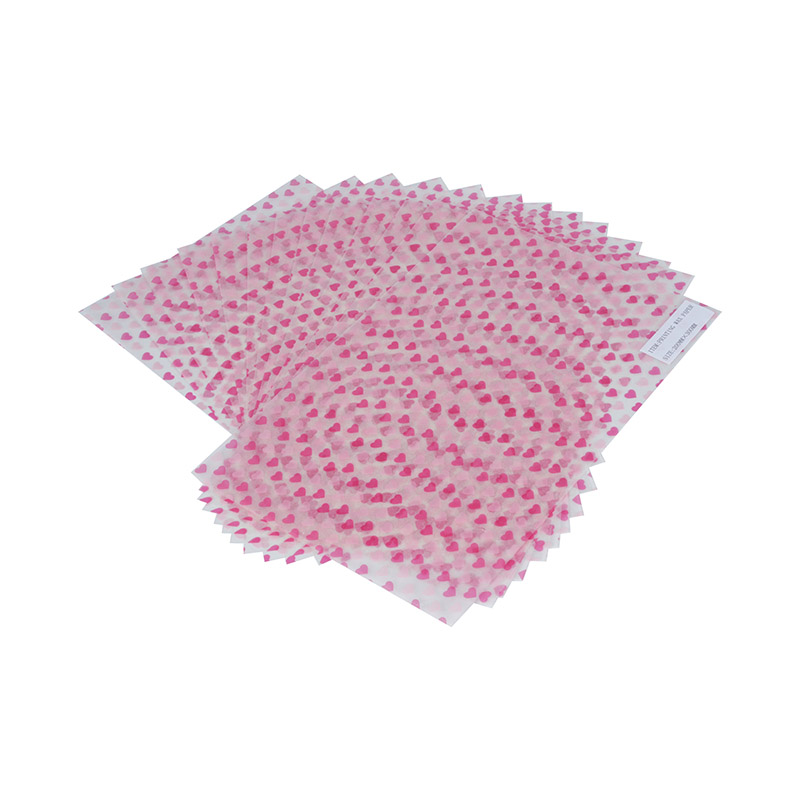
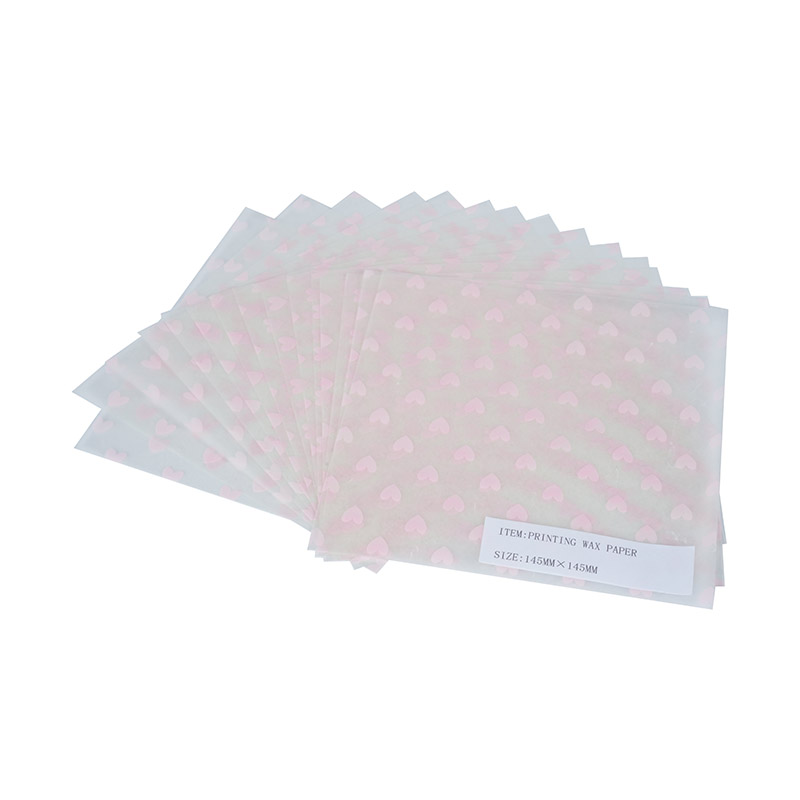
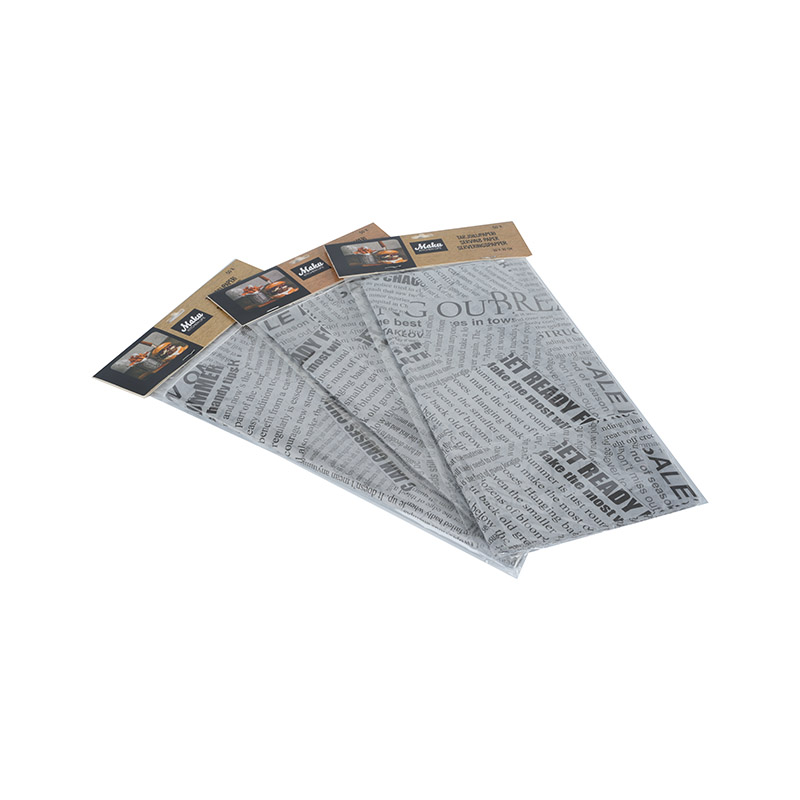
Many food brands need custom sizes, rolls versus sheets, printed patterns, or unbleached options. A capable manufacturer can develop products based on your drawings or samples. This is important if you plan to build a private-label line, because you do not want to run into packaging redesign issues later.
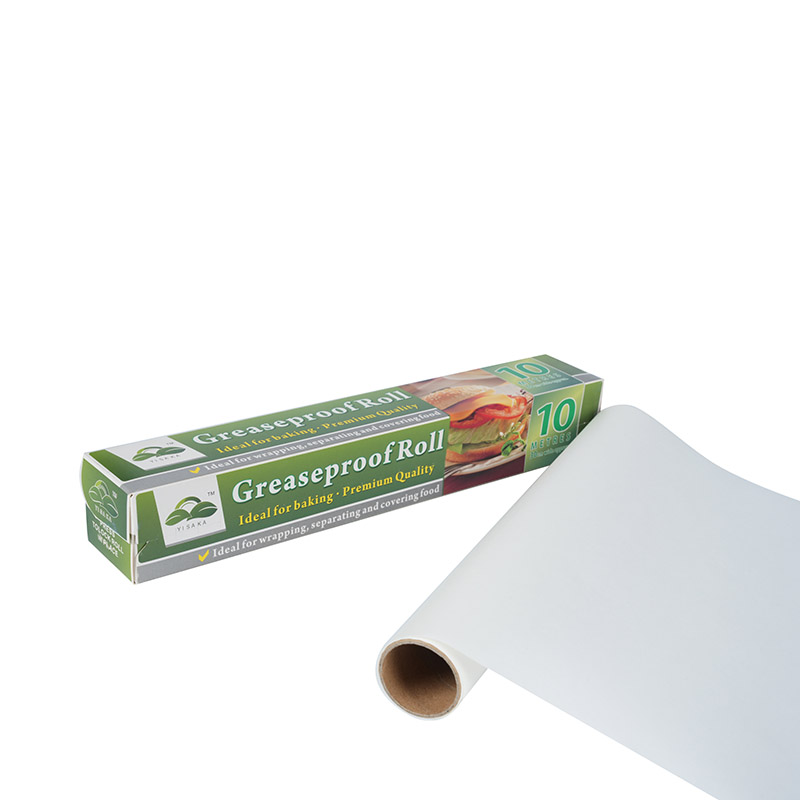
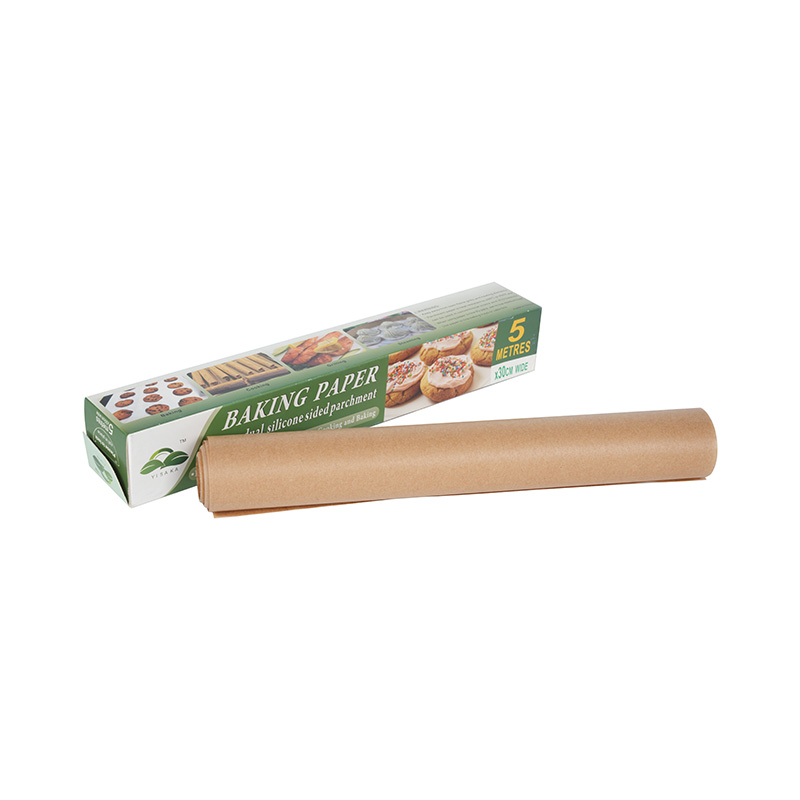 Versatile Baking Paper for Air Fryer, Grilling, and Oven Use A multi-purpose food-grade paper designed for various cooking methods, from high-temperature baking to quick frying, with tear resistance and moisture regulation for enhanced flavor. View Product →
 The scope of customization also extends to technical properties. For instance, some customers require a paper that works in an air fryer, while others need a heavier basis weight for a high-fat sandwich or burger. A supplier that understands the application, not just the product code, helps you get to a usable solution faster.
4. Production Capacity and Supply Stability
Capacity matters when you are scaling from trial order to full container. With 10,000 square meters of workshop and an annual output of up to 15,000 tons, a manufacturer can support high-volume orders. Equipment such as silicone coating lines, slitting machines, and rewinders indicates that the factory handles the process in-house rather than outsourcing critical steps. This internal capability translates into shorter lead times and more predictable delivery dates for reorders.
How YISAKA Approaches Baking Paper Manufacturing
YISAKA, the brand of Hangzhou Yisaka Paper Products Co., Ltd., has operated since 2013 as a comprehensive food packaging paper manufacturer. The company integrates research, development, production, and sales, exporting to more than 30 countries across Europe, North America, Australia, the Middle East, Southeast Asia, and Africa.
The factory follows a closed-shop management model aligned with HACCP and GMP standards, and it manufactures silicone paper, greaseproof paper, wax paper, and cake paper trays. For baking paper specifically, YISAKA produces dual-sided silicone parchment rolls, reusable heavy-duty baking sheets, and white nonstick paper for pans, roasting, steaming, and candy making.
For international buyers, a practical advantage is that the factory can adjust the base paper grammage, coating weight, sheet size, and printed design according to the intended use. R&D staff can work from a customer’s drawing or sample to develop a product that meets the local food-contact requirements and the branding needs.
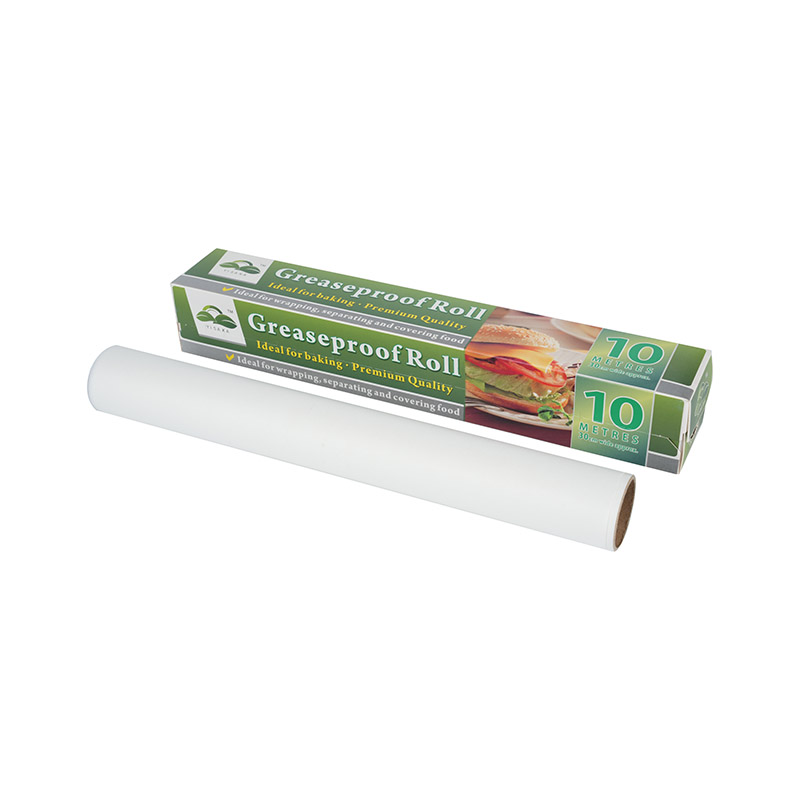
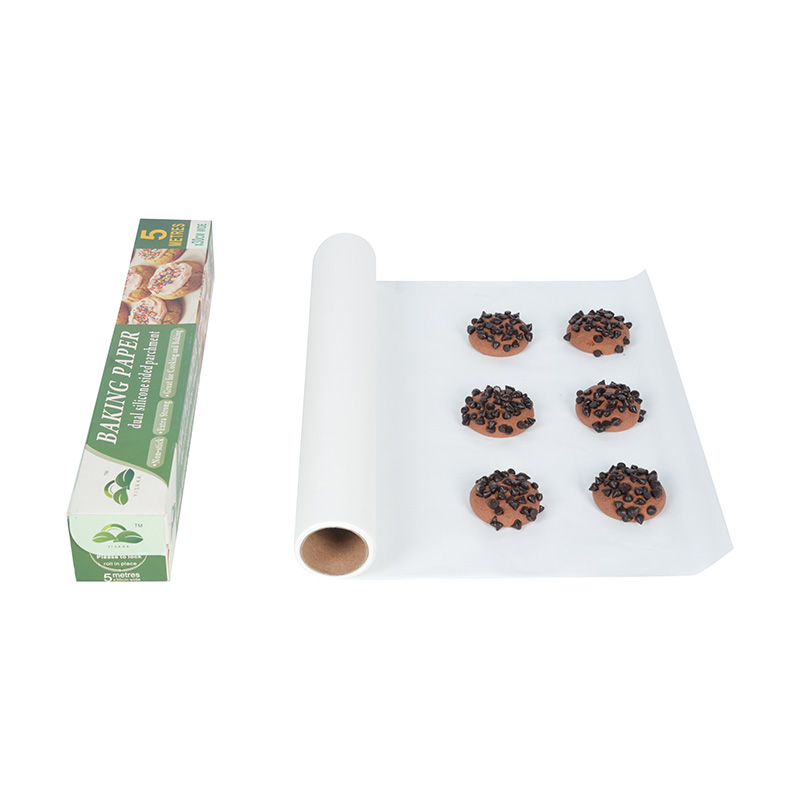 White Non-Stick Baking Paper for Pans, Steaming, and Candy Making This white parchment paper offers a clean look and multiple uses, including lining pans, steaming, and candy making, while absorbing excess oil and simplifying cleanup. View Product →
 With an annual production ceiling of 15,000 tons, the company is set up to handle both initial trial orders and scale-up. The combination of FDA, SGS, FSC, EU, Kosher, and QS certifications also reflects an awareness of what export markets require. If you are buying for a bakery, a food manufacturing plant, or a retail brand, these details matter because they impact your own compliance and product quality.
Common Mistakes When Purchasing Baking Paper from Manufacturers
Here are four mistakes that procurement teams commonly make when evaluating a new baking paper supplier.
- Comparing only unit price. A low price often means a thinner base paper or a lighter silicone coating, which can lead to sticking and higher waste in your production.
- Failing to request test reports. Certificates on a website are not enough; you want the latest third-party test result for the actual batch you are buying.
- Overlooking customization. Standard sizes may fit today’s line, but once you add a new product or update your packaging, a rigid supplier will delay your launch.
- Not verifying production capacity. A manufacturer that outsources slitting or printing becomes a bottleneck when you need a fast reorder.
The cost of these mistakes is not limited to extra paper. Sticking and tearing disrupt your production line, and non-compliant packaging can trigger a recall. That is why time spent vetting the manufacturer before you commit is always worthwhile.
When you receive a shipment, randomly open a few cartons and check the coating under light. A dependable manufacturer will not object to such checks; they are confident in their production consistency.
At the end of the day, the best baking paper manufacturers are the ones that can show you both their process and their records. Ask for coating weight data, certifications, custom options, and delivery track record. Then run a small trial with a known temperature and compare the results. Reviewing how to choose and use baking paper before you place a bulk order can help you establish your own acceptance criteria. The supplier that earns your trust is the one that gives you a stable product, batch after batch.